The Ultimate Boot Buying Guide: Types, Selection, and Care
SEO Article Output
Boots are essential footwear that combines functionality and fashion for various lifestyles. Whether you're braving harsh weather, tackling outdoor adventures, or adding flair to your daily look, the right pair of boots enhances comfort and durability. This guide covers key aspects to help you make informed decisions and care for your investment, ensuring long-lasting wear.
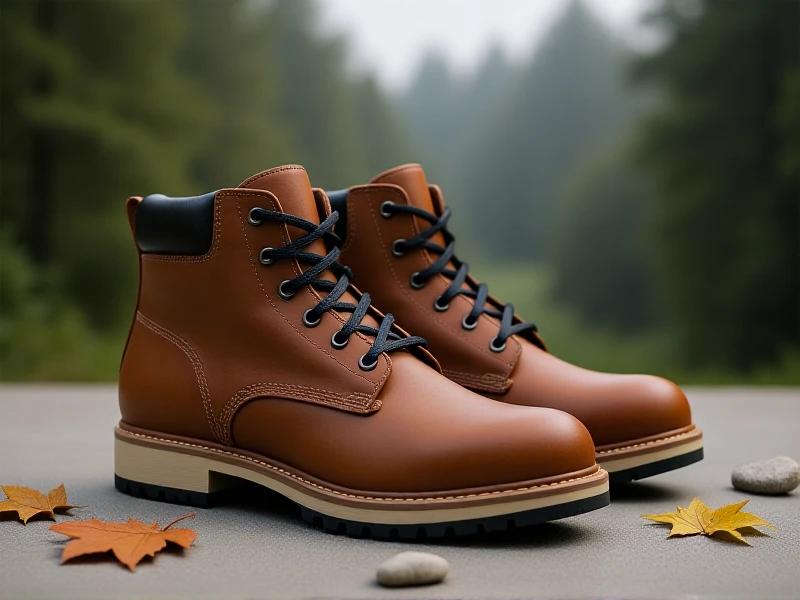
Firstly, understanding the different types of boots simplifies your shopping experience. Work boots, commonly used in industries like construction, feature reinforced toes and oil-resistant soles for safety and reliability. Hiking boots prioritize grip and support on rough terrain, with waterproof options for wet climates. Fashion boots, including ankle boots and knee-high varieties, offer versatile styles for casual or formal occasions. Rain boots are perfect for rainy days, keeping feet dry without sacrificing comfort. By identifying your needs, you can choose boots that align with your routine, such as insulating winter boots for sub-zero conditions.
When selecting boots, focus on key factors for optimal comfort and performance. Fit is critical—try them on with the socks you'll wear daily and walk around to test for blisters. Look for cushioned insoles and arch support, especially for all-day use. Material matters too: Leather boots are durable and mold to your feet over time but require regular maintenance. Synthetic alternatives, like rubber or vegan leather, are lightweight and easier to clean. Assess weather resistance; waterproof boots with quality seals prevent moisture build-up. Brands like Timberland or Dr. Martens often provide warranties, adding value to your purchase.
Caring for your boots extends their lifespan significantly. Clean them regularly using methods suited to the material. For instance, wipe down leather boots with a damp cloth and apply conditioner to prevent cracking. Synthetic boots can be washed with mild soap and air-dried. Avoid prolonged moisture exposure and store them in a cool, dry place to maintain shape. Rotate your boots to allow them to breathe between wears, and address scuffs immediately with specialized cleaners. Simple habits, like using protective sprays before exposure to elements, save money in the long run.
In summary, a good pair of boots is a smart investment for anyone seeking reliability and style. Explore various options based on your lifestyle and commit to proper upkeep for years of use. Share this guide to empower others in their boot journey.